

Case study
Megamod • Structuring a Multi-Product Narrative
Scaling product complexity through a unified communication layer
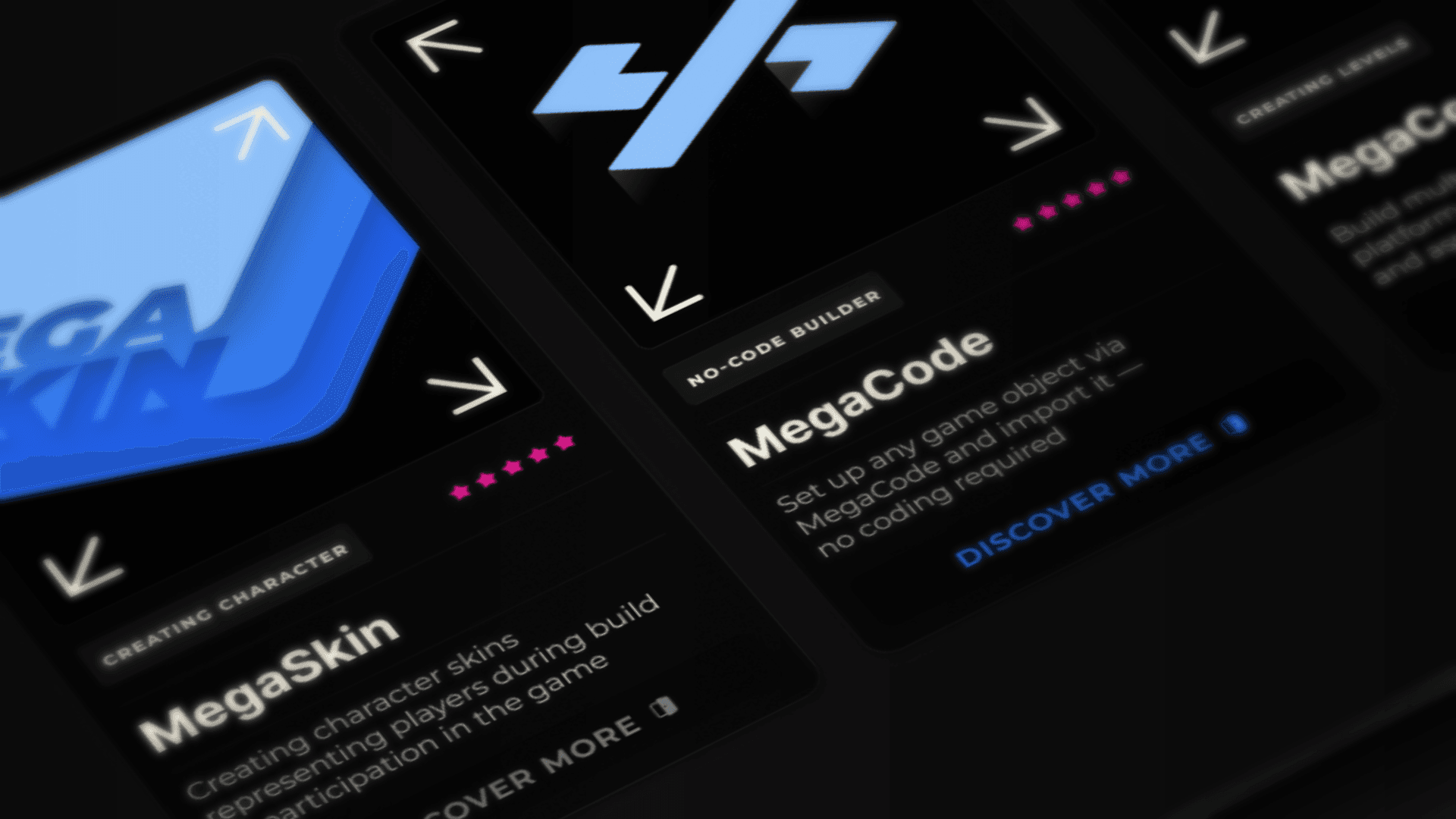
Multi-product ecosystem
Product Designer
Restructuring the website into a multi-entry system
Defining audience-specific narratives
Designing a reusable structural framework
Aligning how the product is presented with how it’s actually used
creators building games, streamers engaging their audience, platforms looking for scalable content, event teams creating digital experiences, educational and institutional programs, developers, investors, media. Each of them comes in with a different goal — and expects to see a different product
Context
MegaMod didn’t start this way.
It began as a game creation tool, then gradually expanded — new features, new use cases, new audiences.
The product evolved into a system.
The website didn’t.
At some point, it became easier to build new capabilities than to explain what the product actually is.
Problem
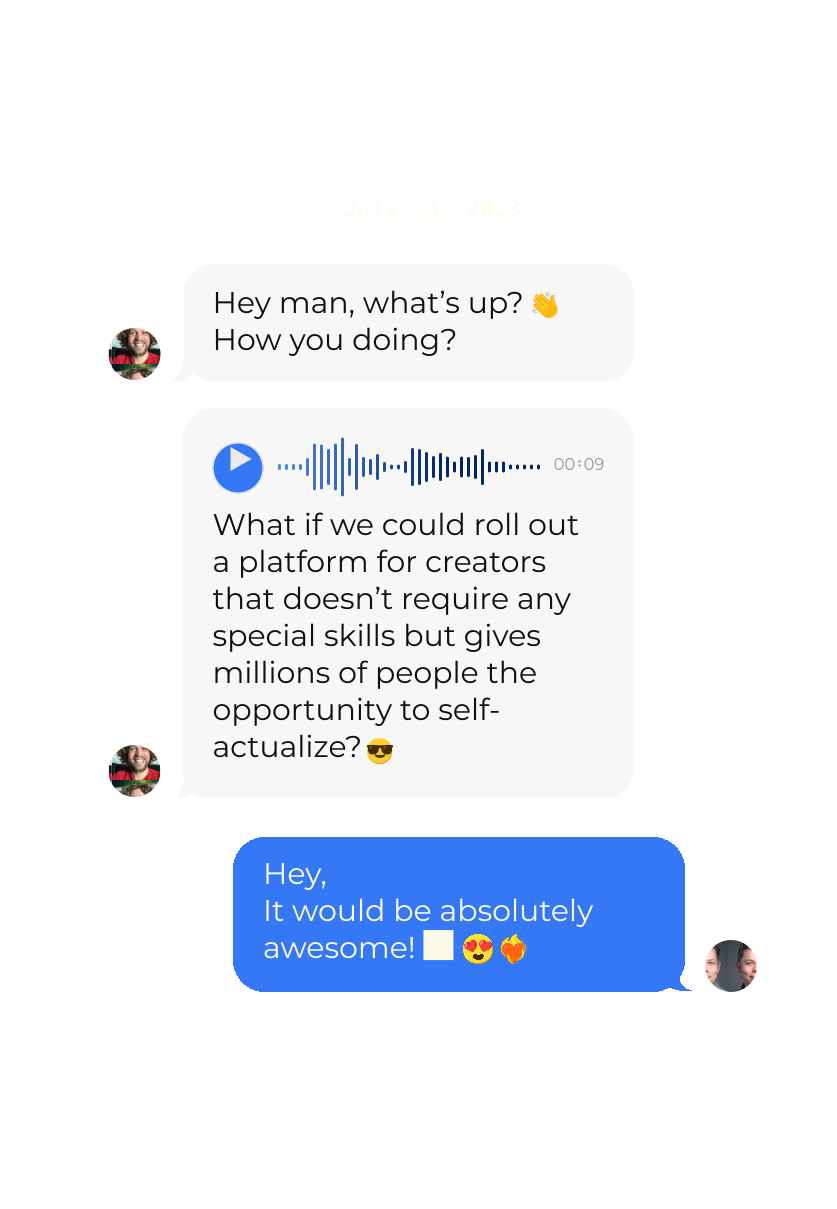
The product was already being understood in different ways — but it was still presented as if it meant the same thing to everyone.
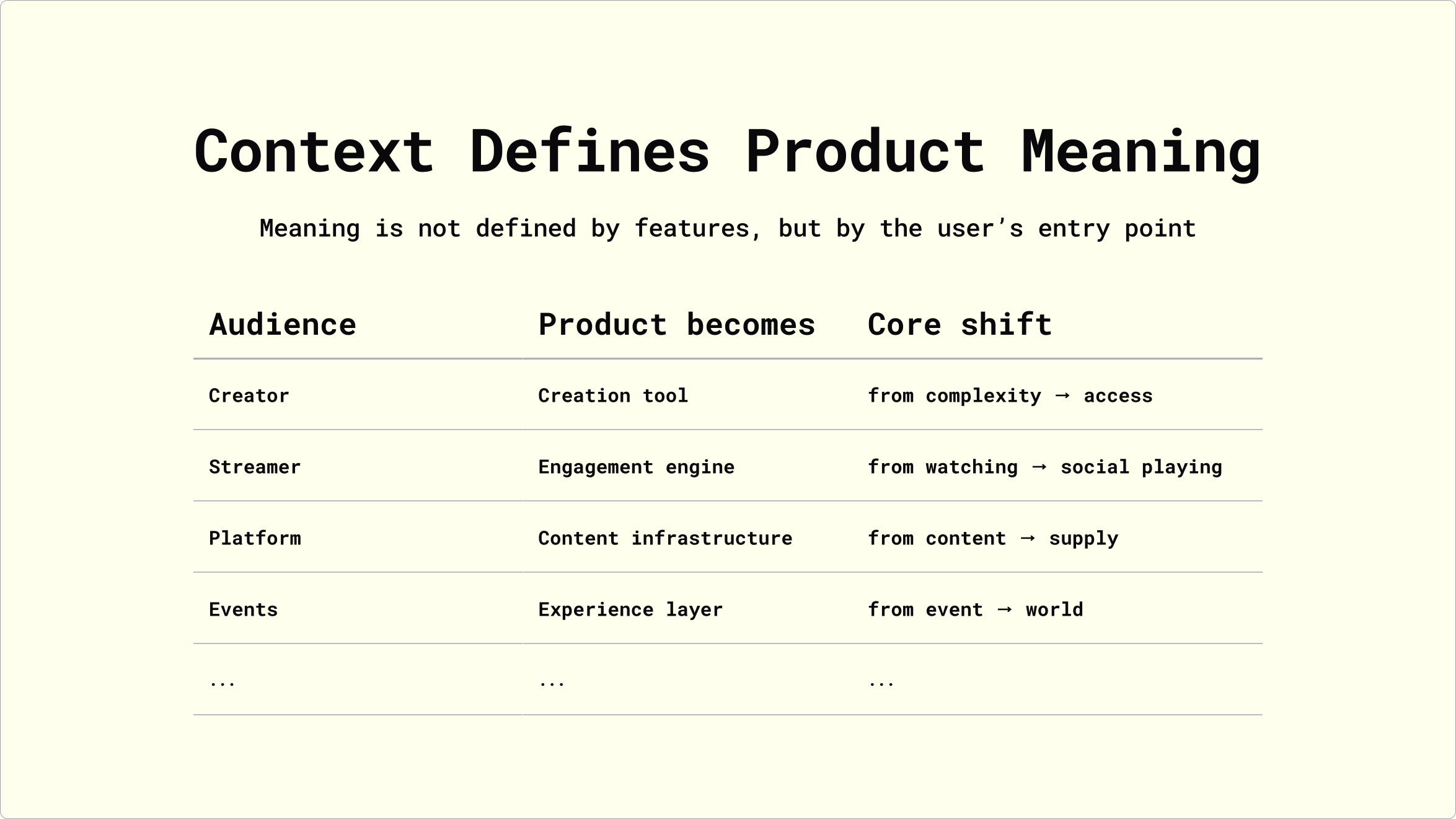
- A creator saw a tool.
- A streamer saw a way to engage viewers.
- A platform saw a content pipeline.
- An event team saw a digital venue.
All valid interpretations — forced into one narrative.
Which meant one thing in practice:
users had to do the translation themselves.
Approach
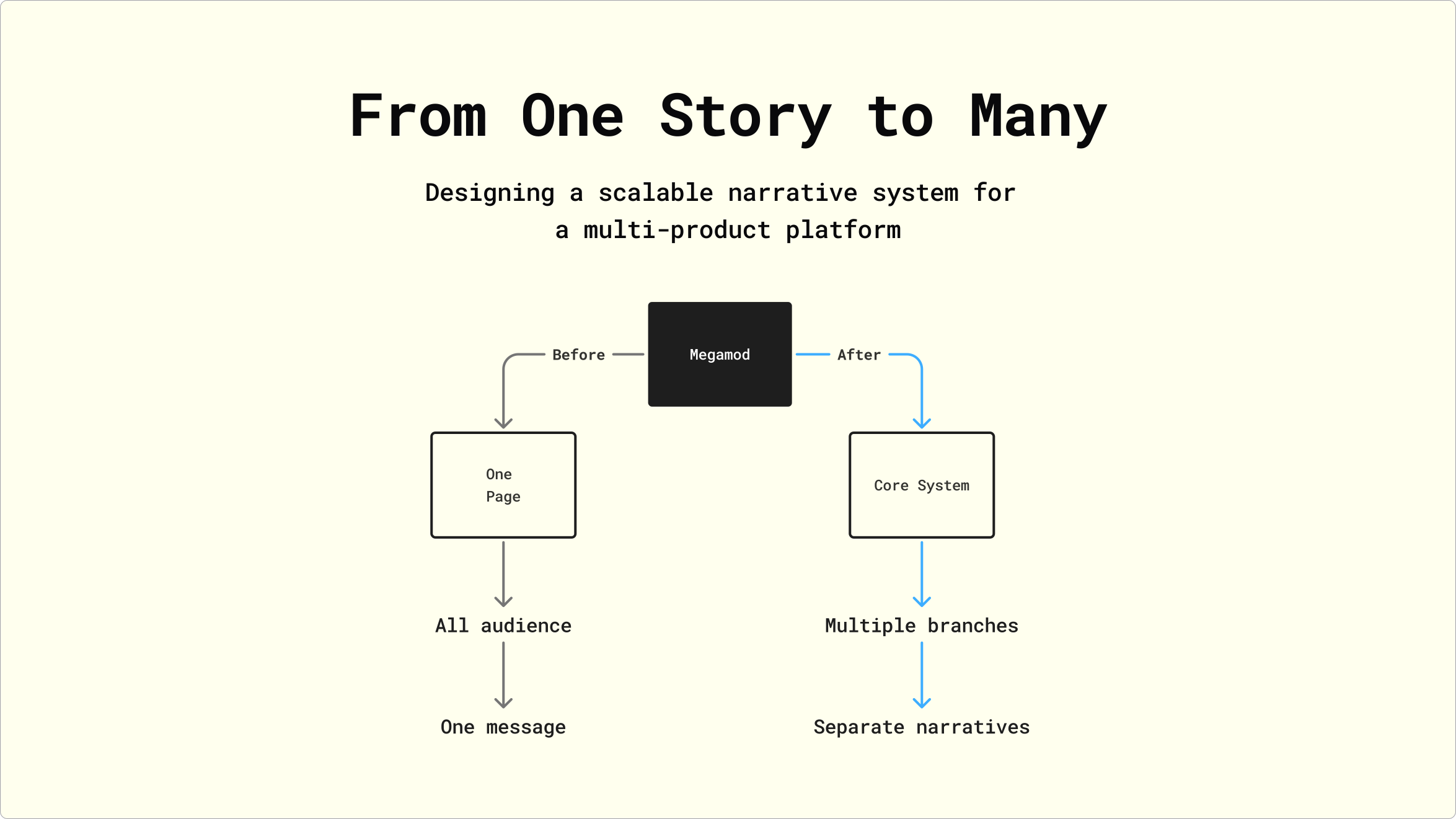
Instead of trying to simplify the message, I focused on separating how the product is interpreted.
The shift was subtle but important:
not «one product with many use cases»,
but «one system that means different things depending on context»
From there, the goal became:
- let different interpretations exist
- make them accessible at the point of entry
- keep everything grounded in a single underlying system
Design Logic
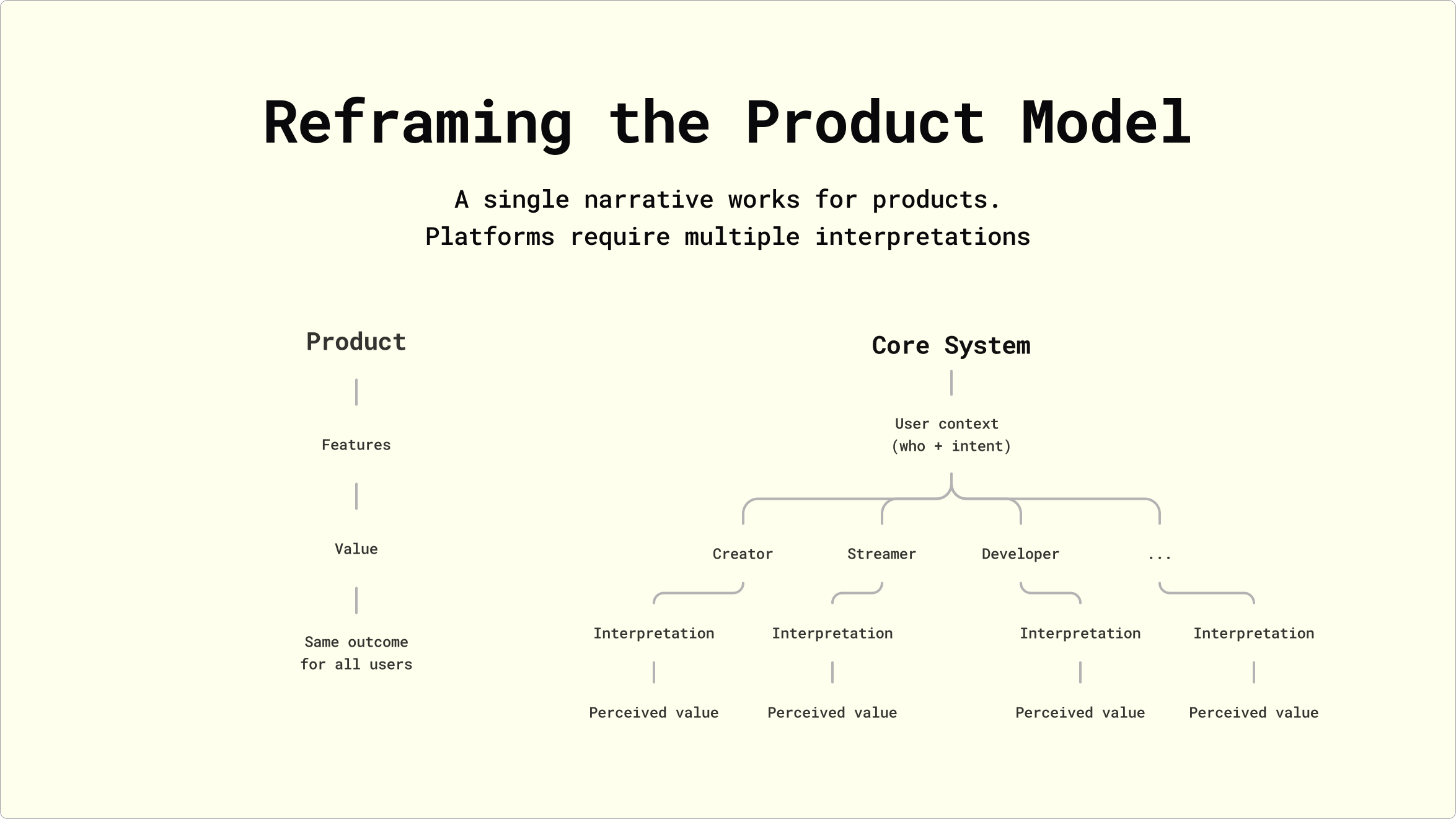
Traditional product communication assumes fixed meaning:
Product → Features → Value
It works when there’s one clear use case.
But MegaMod doesn’t behave like that anymore.
Meaning isn’t something you deliver.
It’s something the user constructs.
Based on who they are — and why they’re here.
System Design
Once you accept that meaning is context-dependent, the design problem changes.
You’re no longer trying to explain the product once.
You’re designing how it’s understood from different angles.
The solution was to separate two layers:
- interpretation — what the product appears to be
- structure — how the system is actually built
Interpretation changes.
Structure stays stable.
What I Designed
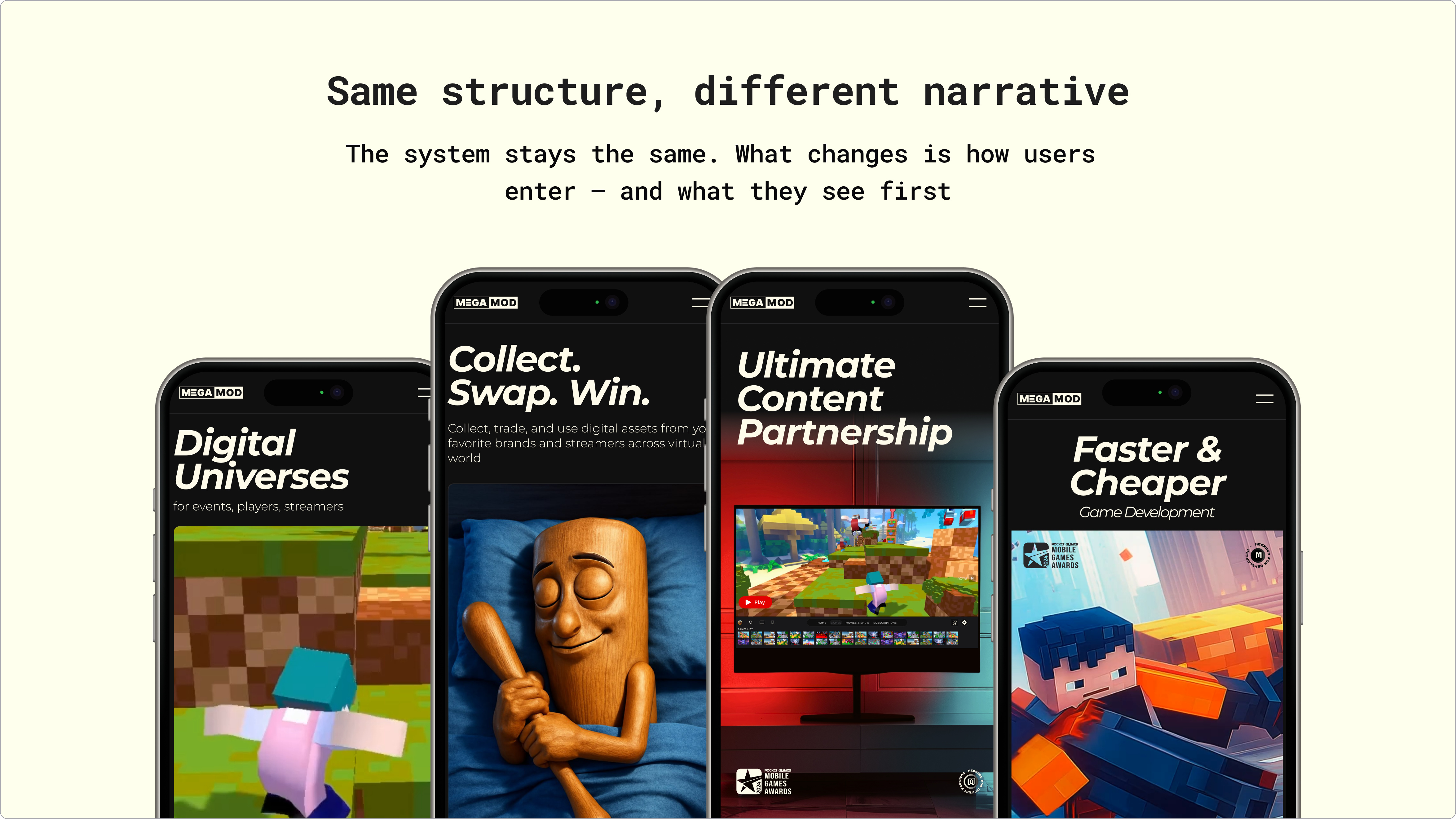
> Entry-based narratives
Instead of a single landing, the system is entered through different perspectives.
Each one frames the product around a specific outcome — creation, engagement, content, or experience.
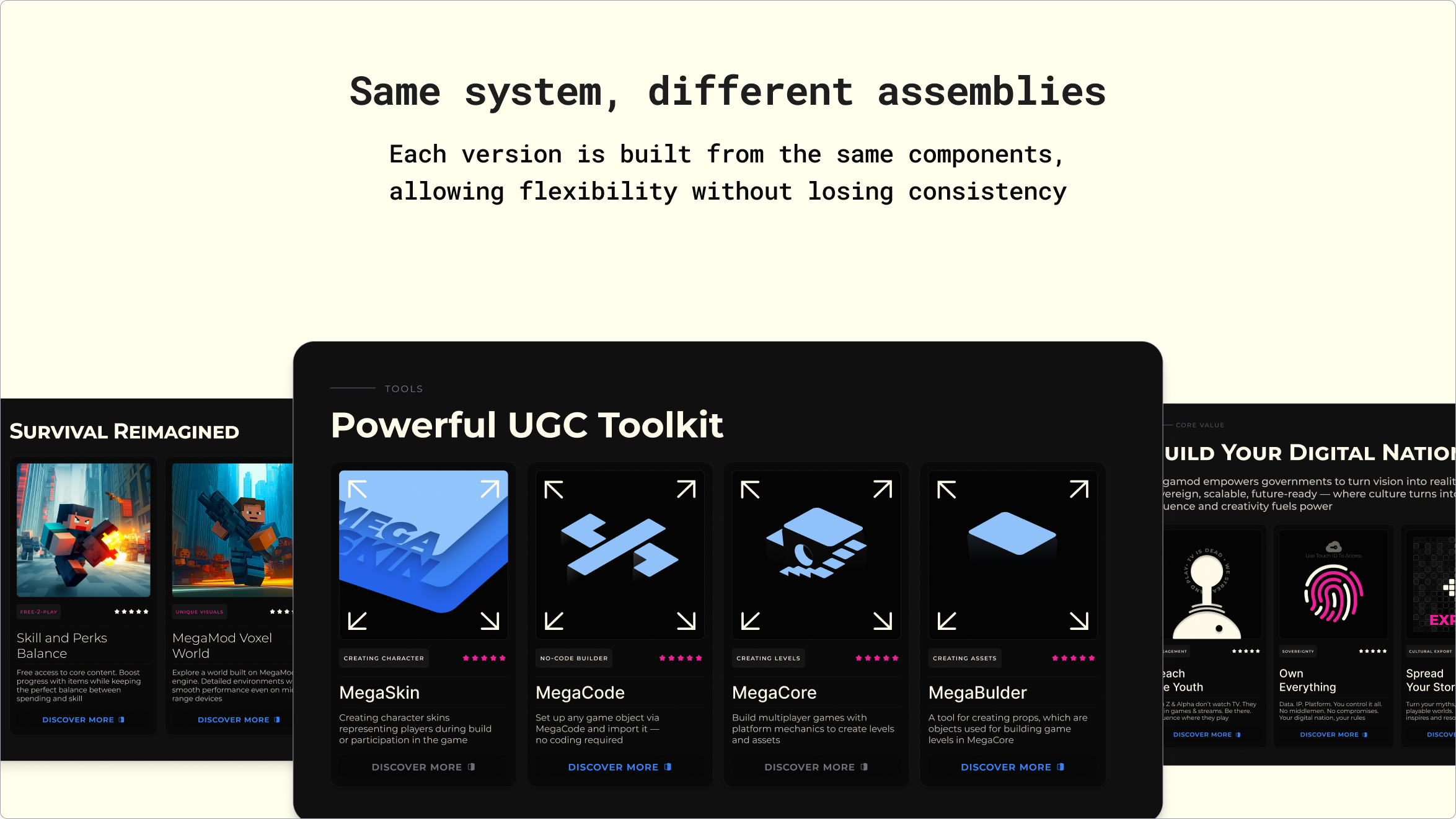
> Shared structural system
Underneath those narratives, the structure remains consistent.
Same building blocks, same hierarchy, same logic — just assembled differently.
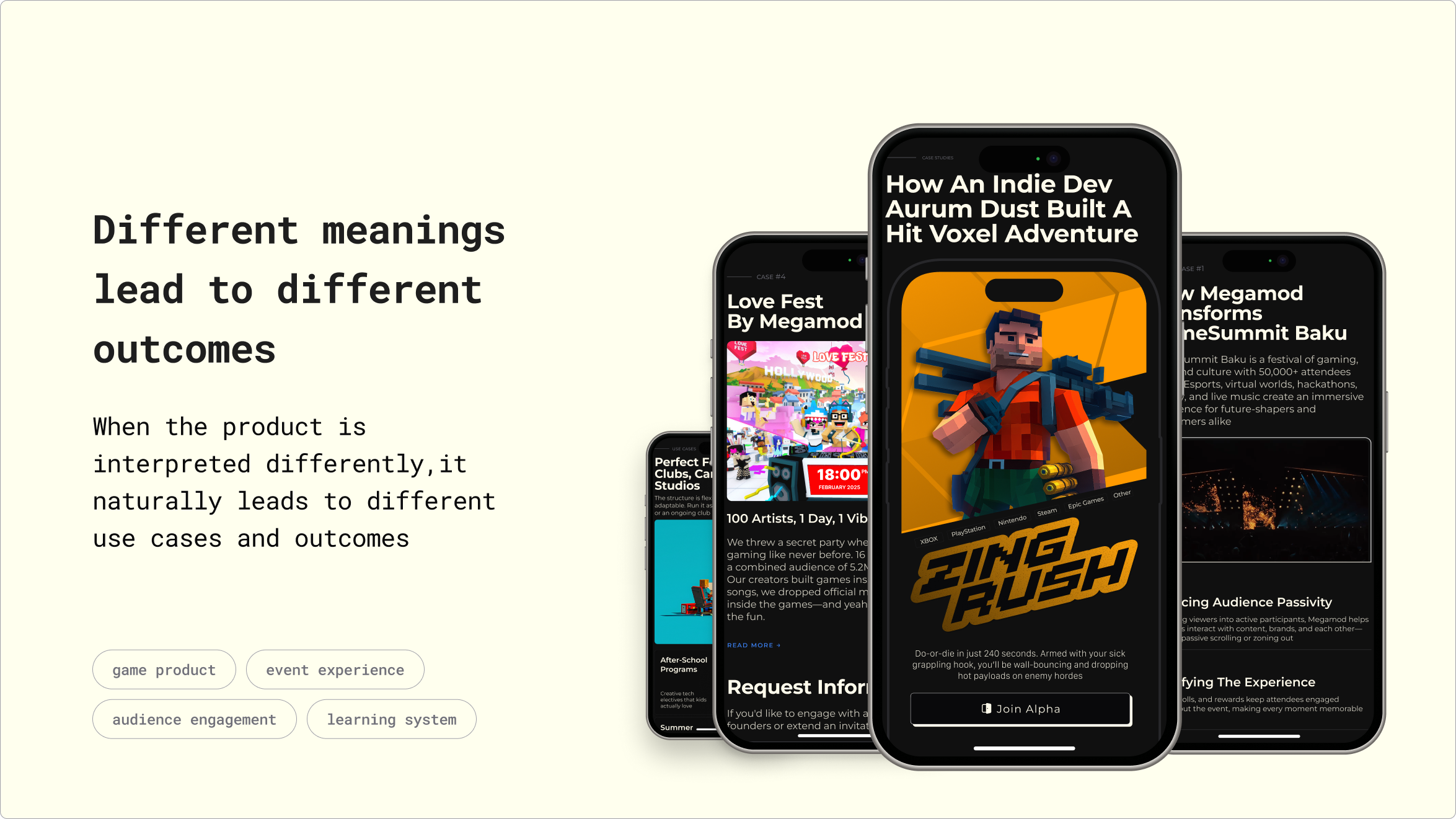
> Outcome-oriented framing
Once the interpretation shifts, the outcomes shift with it.
The same system leads to very different results, depending on how it’s understood.
Outcome
The product didn’t get simpler.
But it became easier to enter.
Users no longer need to understand the whole system upfront.
They start from something that makes sense to them — and expand from there.
In practice, this improves:
- clarity at the first touchpoint
- relevance across different audiences
- scalability of the narrative as the product grows
- overall perception of the product as a platform, not a tool
Reflection
The challenge wasn’t reducing complexity.
It was deciding how and when to reveal it.
MegaMod doesn’t need a single explanation.
It needs multiple valid ones — all pointing to the same system underneath.
Design, in this case, isn’t about polishing screens.
It’s about shaping how meaning comes together.