

Case study
Travel Booking Platform • Decision-Driven UX
Helping users move from vague intent to confident booking
Travel / Booking Platforms
End-to-end UX architecture of a travel booking platform focused on improving decision-making before booking
Behavior modeling, UX system design, interaction logic, decision flow architecture
Users planning vacations without a clear destination
Users overwhelmed by choice
Users seeking confidence before booking
Product Designer
Shift the experience from search & browse to guided decision-making before booking
Context
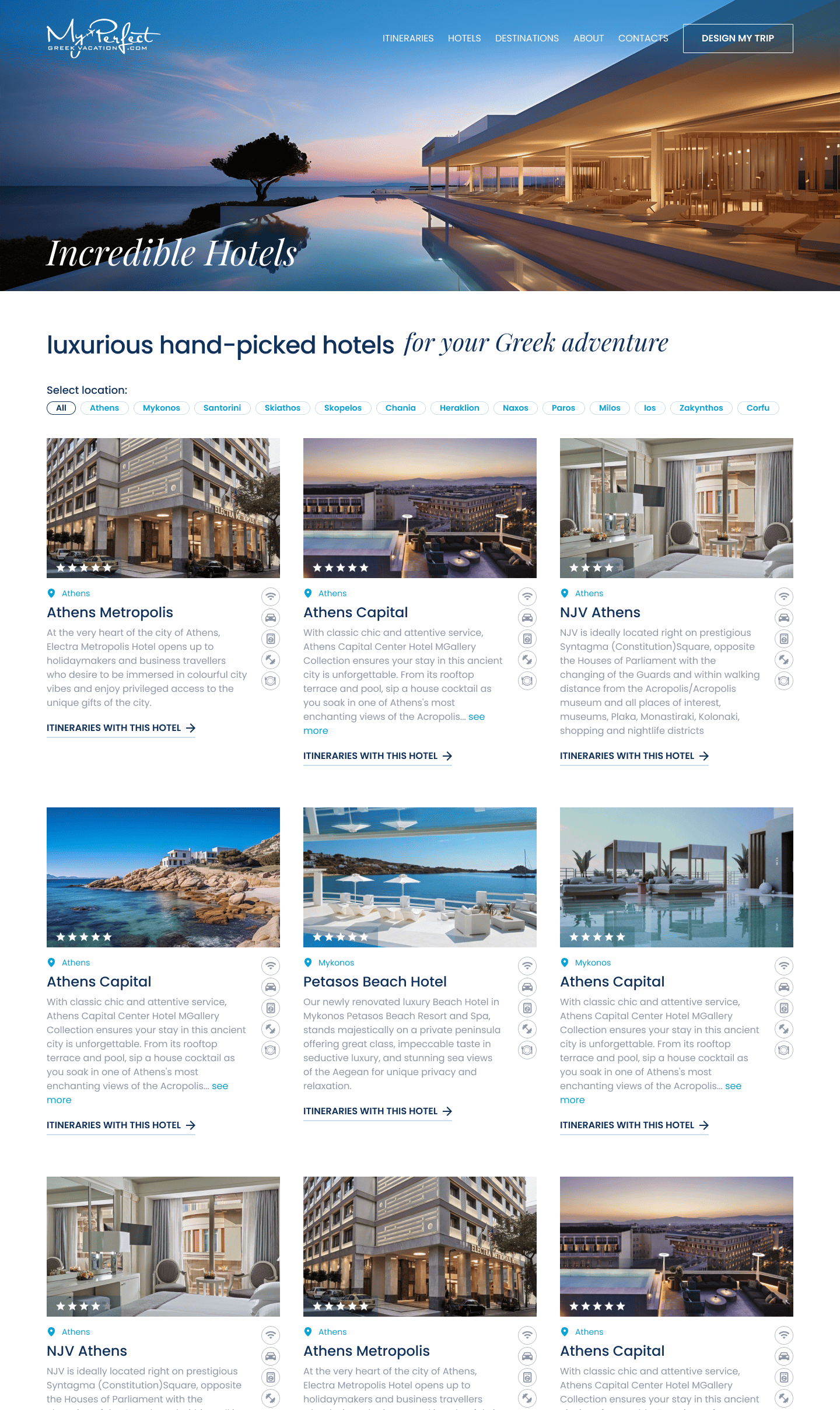
My Perfect Greek Vacation is a concept for a travel booking platform designed for users who want to go on a vacation but cannot yet define what exactly they are looking for.
Most booking experiences assume that users arrive with a clear query. This project starts earlier — at the point where intent is still vague.
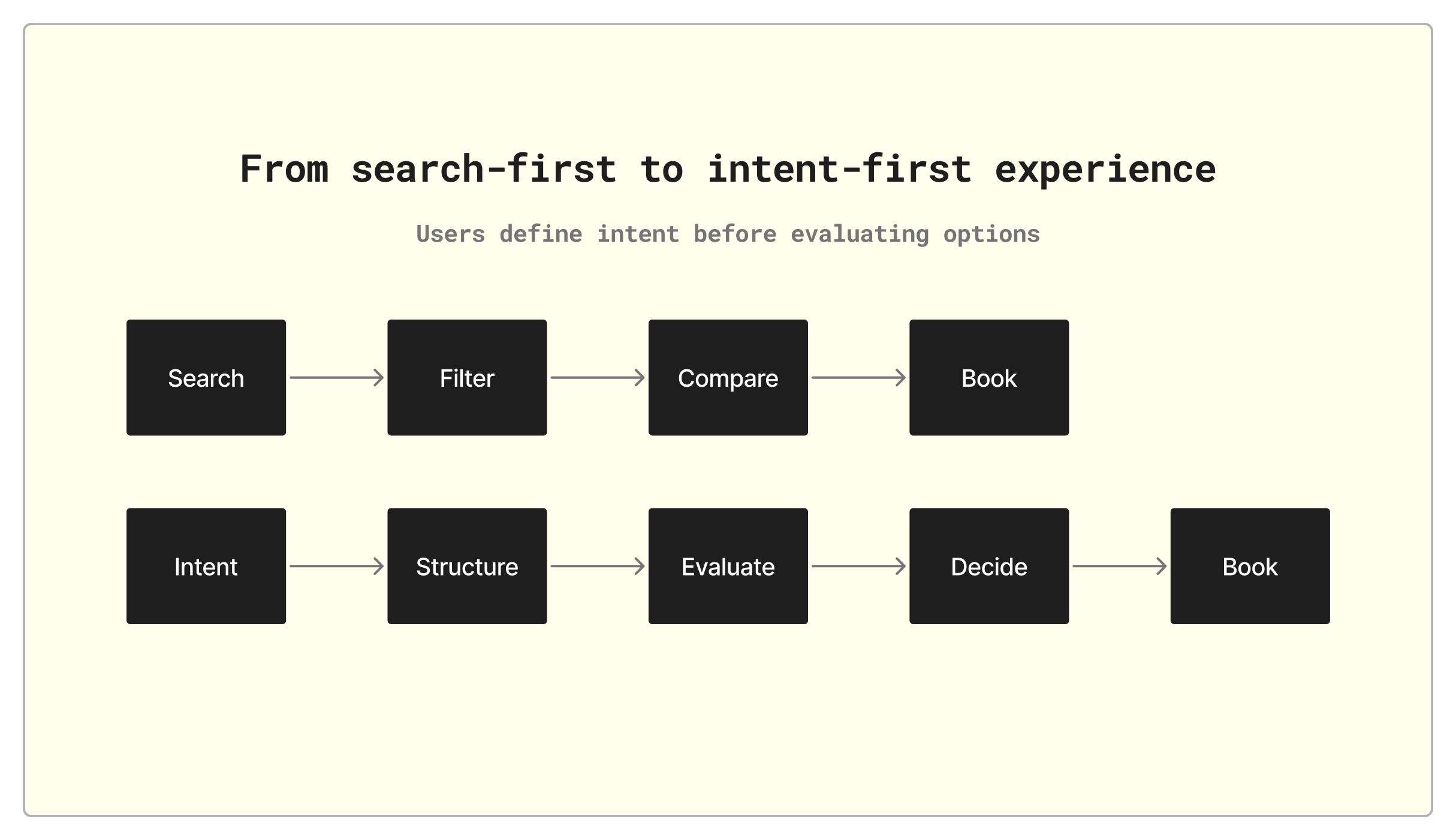
The goal was not to improve search, but to redesign how intent is formed before booking.
Instead of exposing a large space of options, the system helps users:
- externalize preferences
- structure them into decision criteria
- evaluate a small set of relevant options
- reach a confident decision before entering booking
The result is a product model where booking becomes confirmation of a decision — not a tool for figuring it out.
Problem
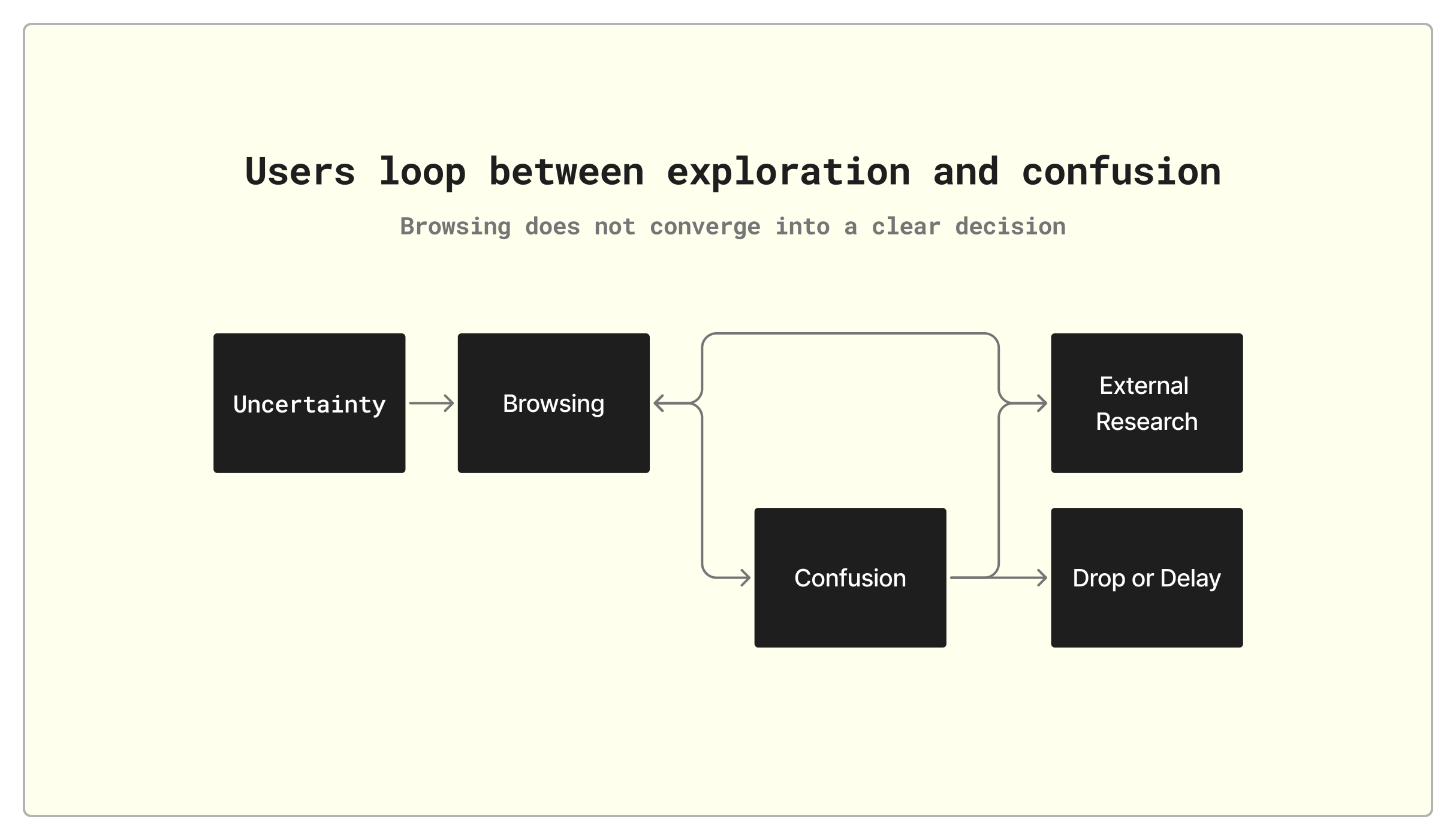
Traditional travel platforms assume that users can define what they want.
In reality, many users:
- do not have a clear destination
- cannot articulate preferences
- struggle to compare options
- delay decisions due to uncertainty
This results in:
- excessive browsing
- fragmented comparison
- reliance on external research
- postponed decisions
Travel booking is not just a search problem.
It is a decision problem under uncertainty.
Key Insight
Users do not need better search.
They need help forming intent before search becomes meaningful.
Concept Shift
The product reframes how booking works.
UX Mechanics — How It Works
Step 1 — Intent Capture
The experience starts with expressing preferences, not entering a query.
Users interact with lightweight inputs that translate vague desires into signals.
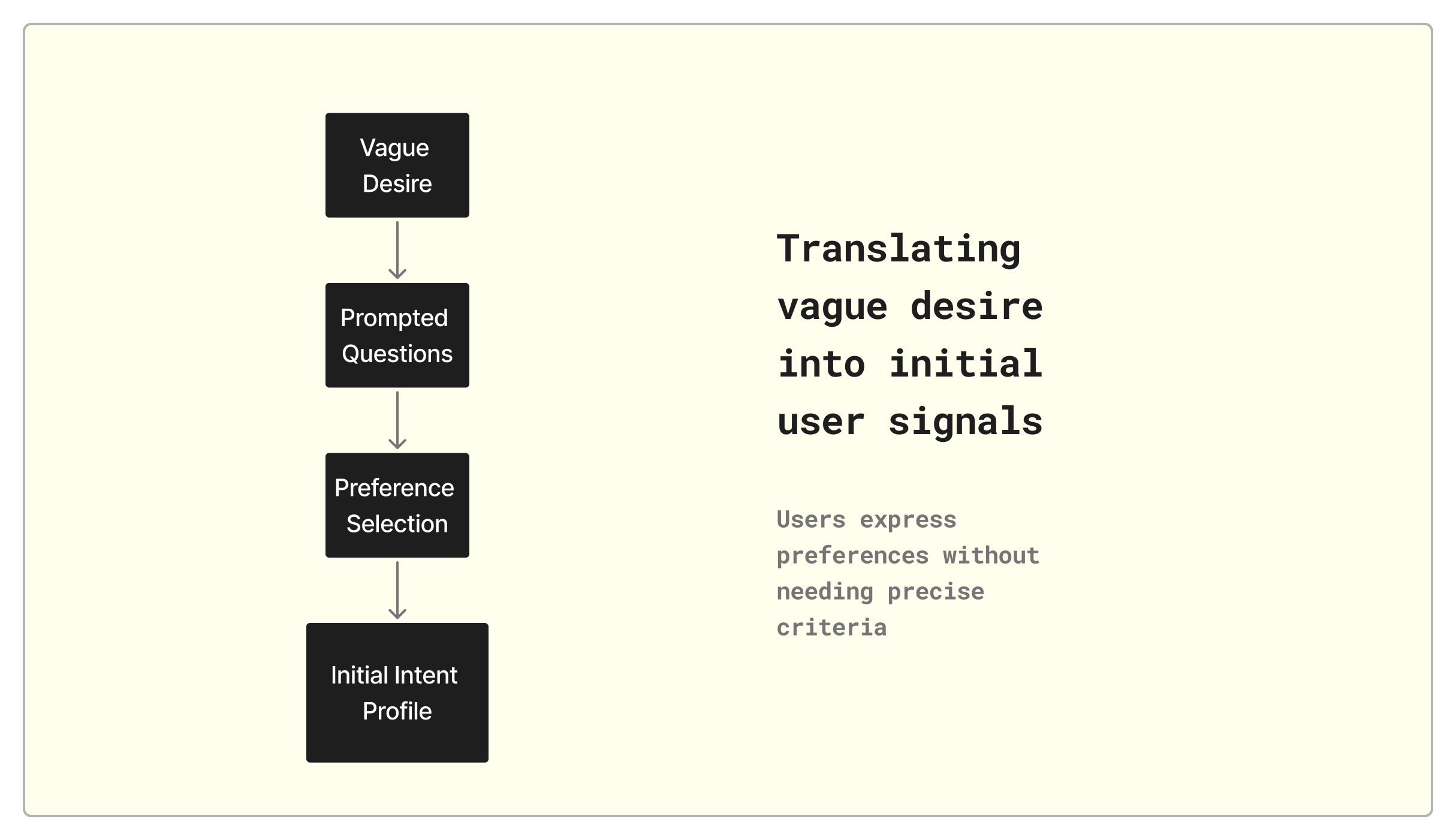
Step 2 — Structuring Intent
User input is transformed into a structured profile.
The system identifies priorities and organizes preferences into usable criteria.
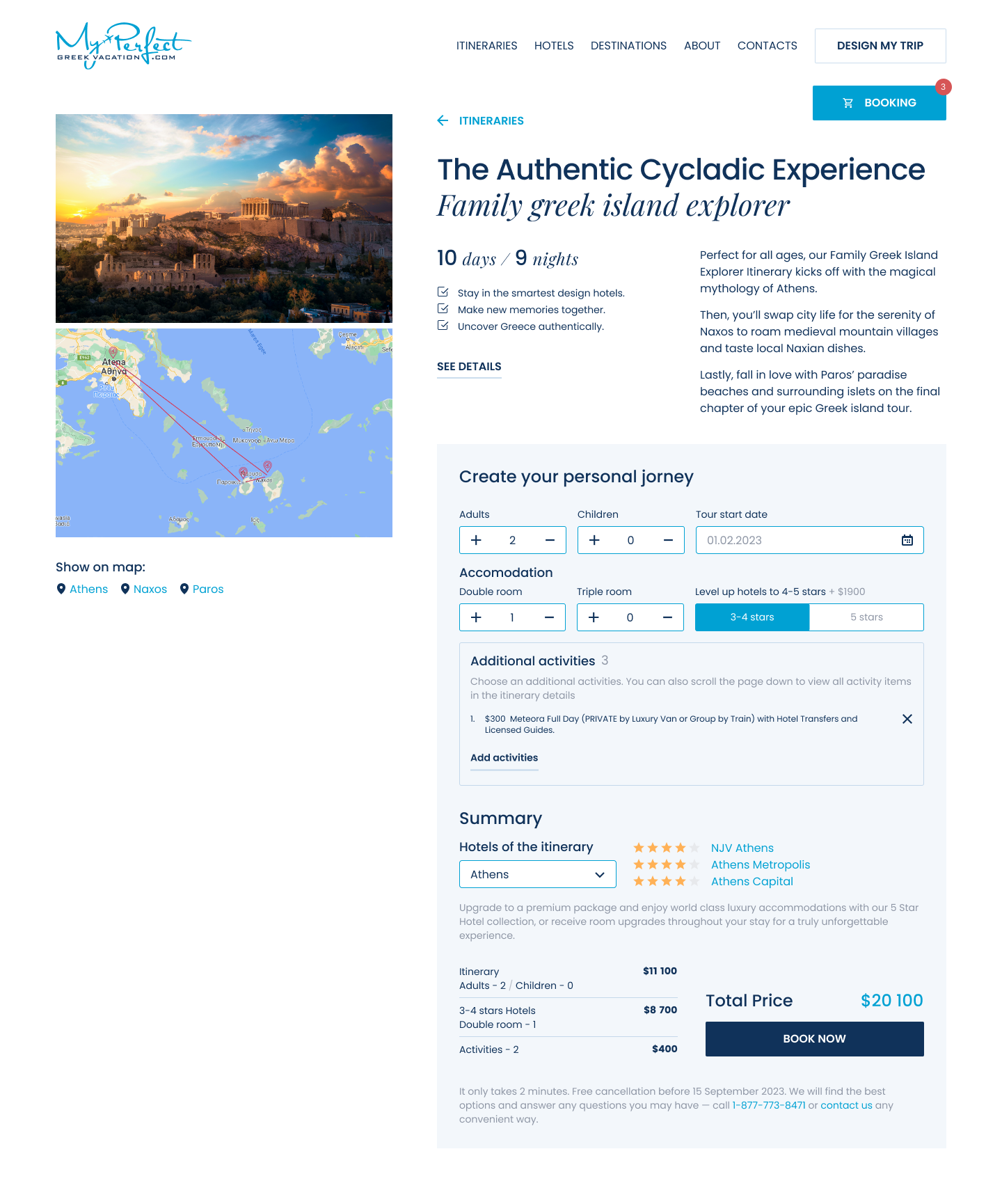
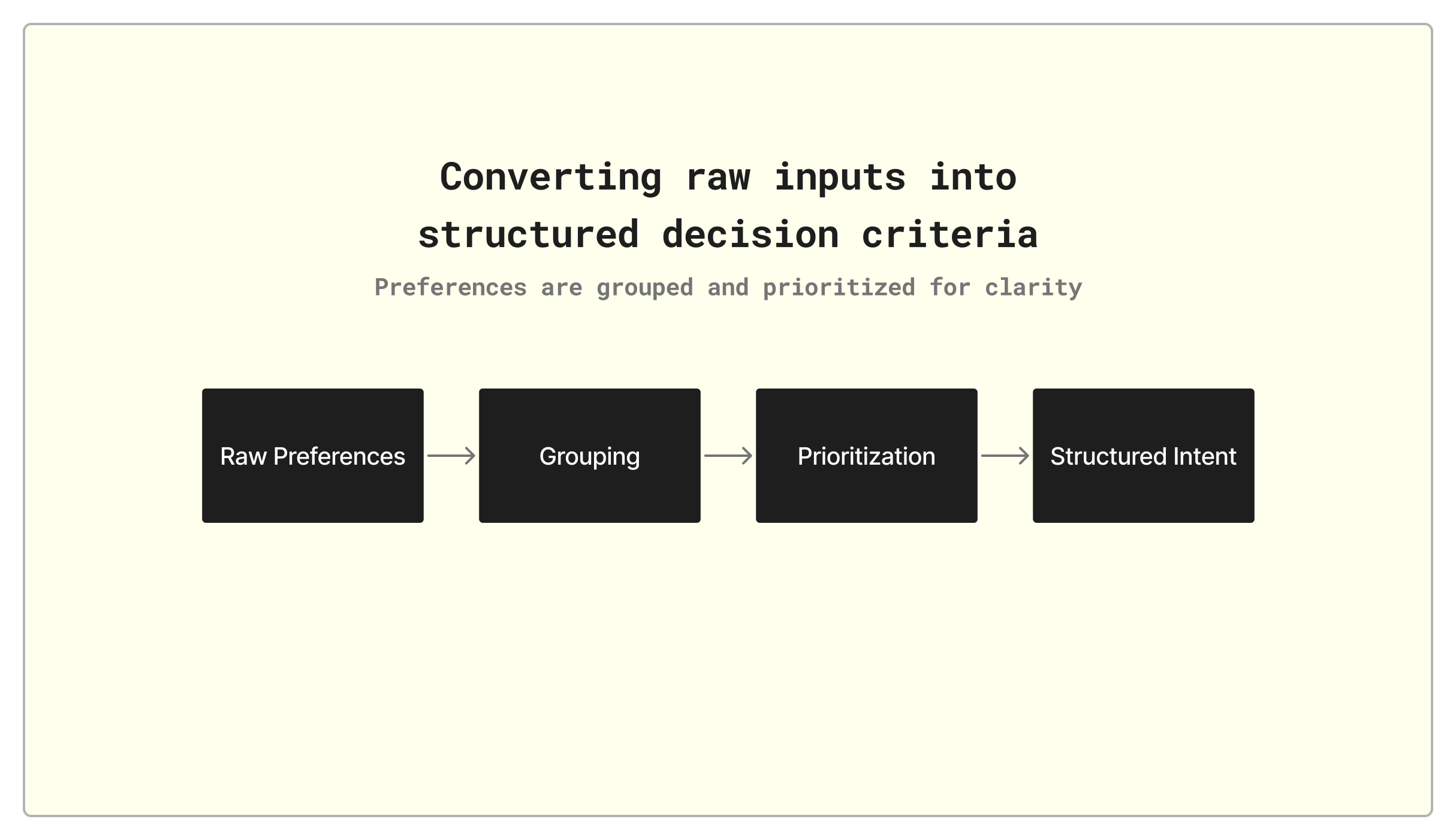
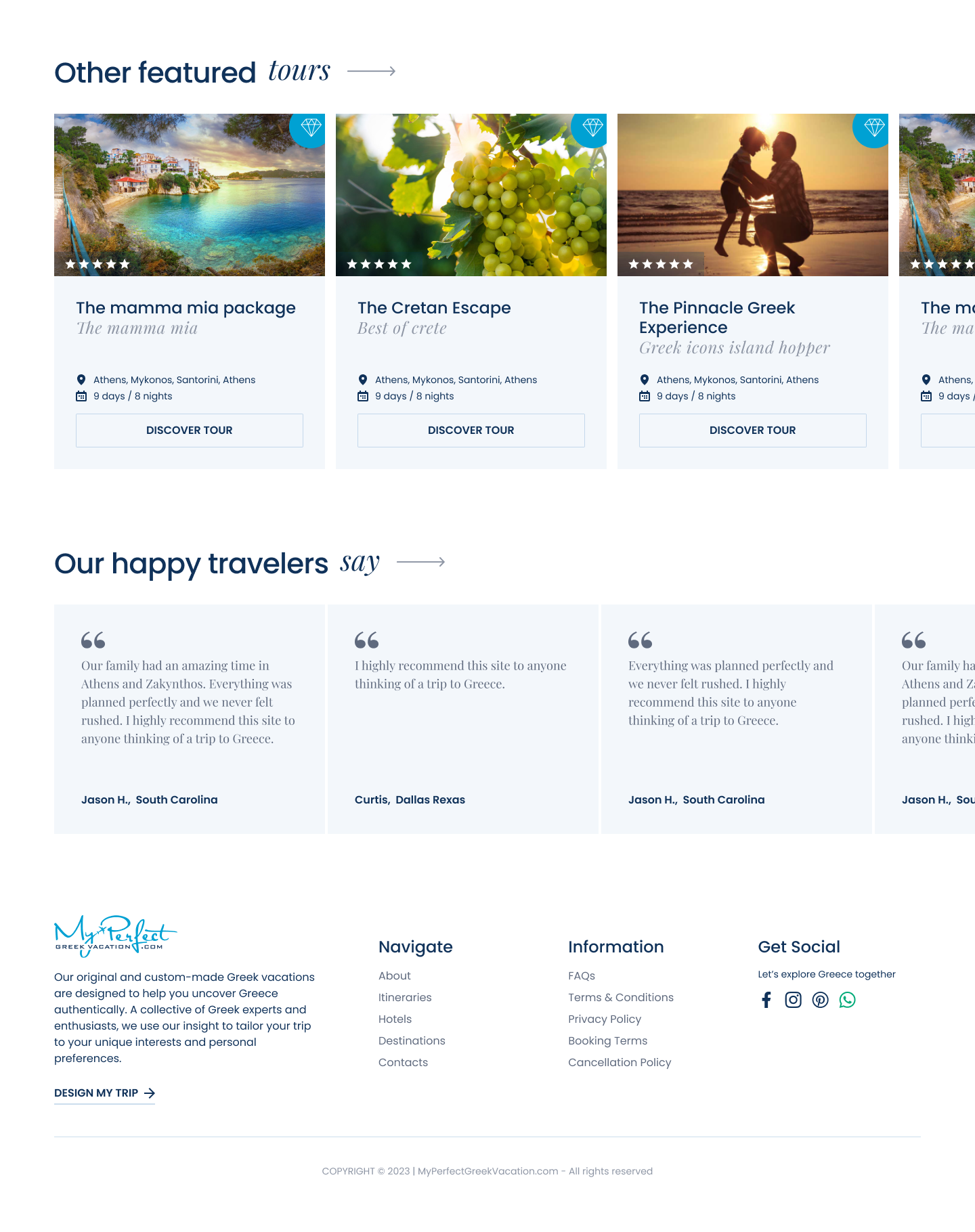
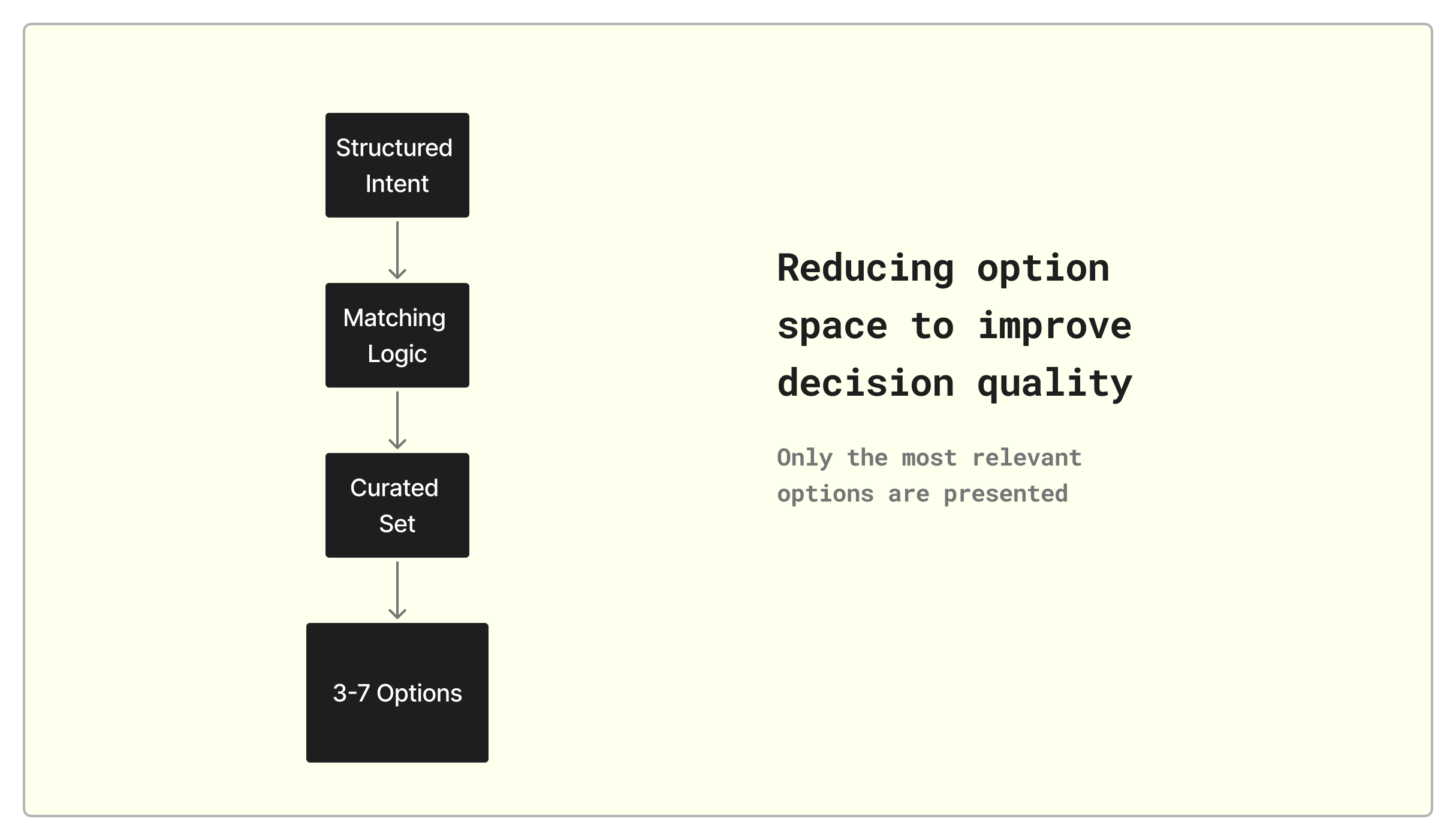
Step 3 — Curated Options
The system presents a small set of relevant options instead of full inventory.
The goal is to reduce comparison complexity.
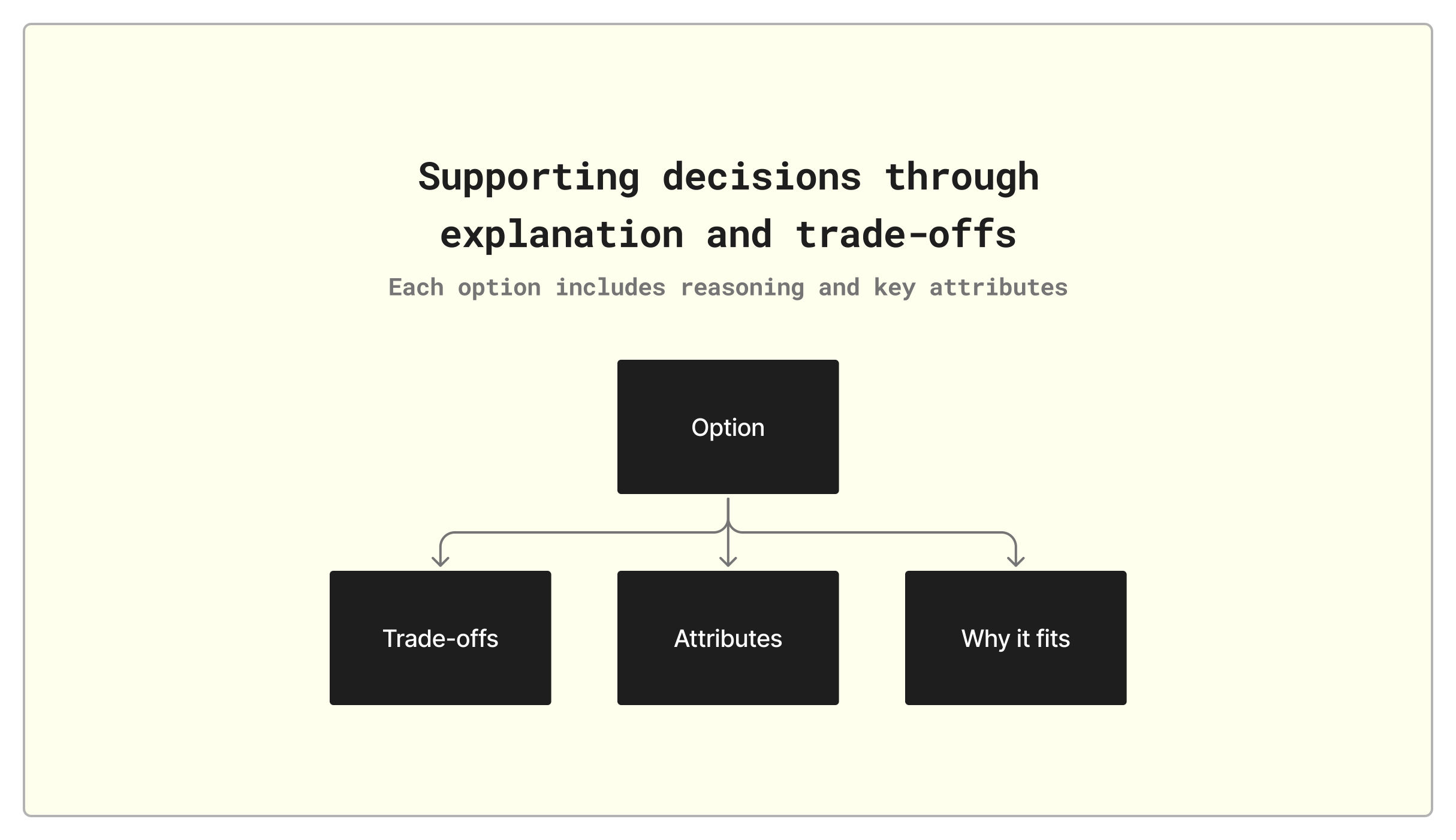
Step 4 — Decision Support
Each option includes explanation and context.
Users understand why an option is relevant.
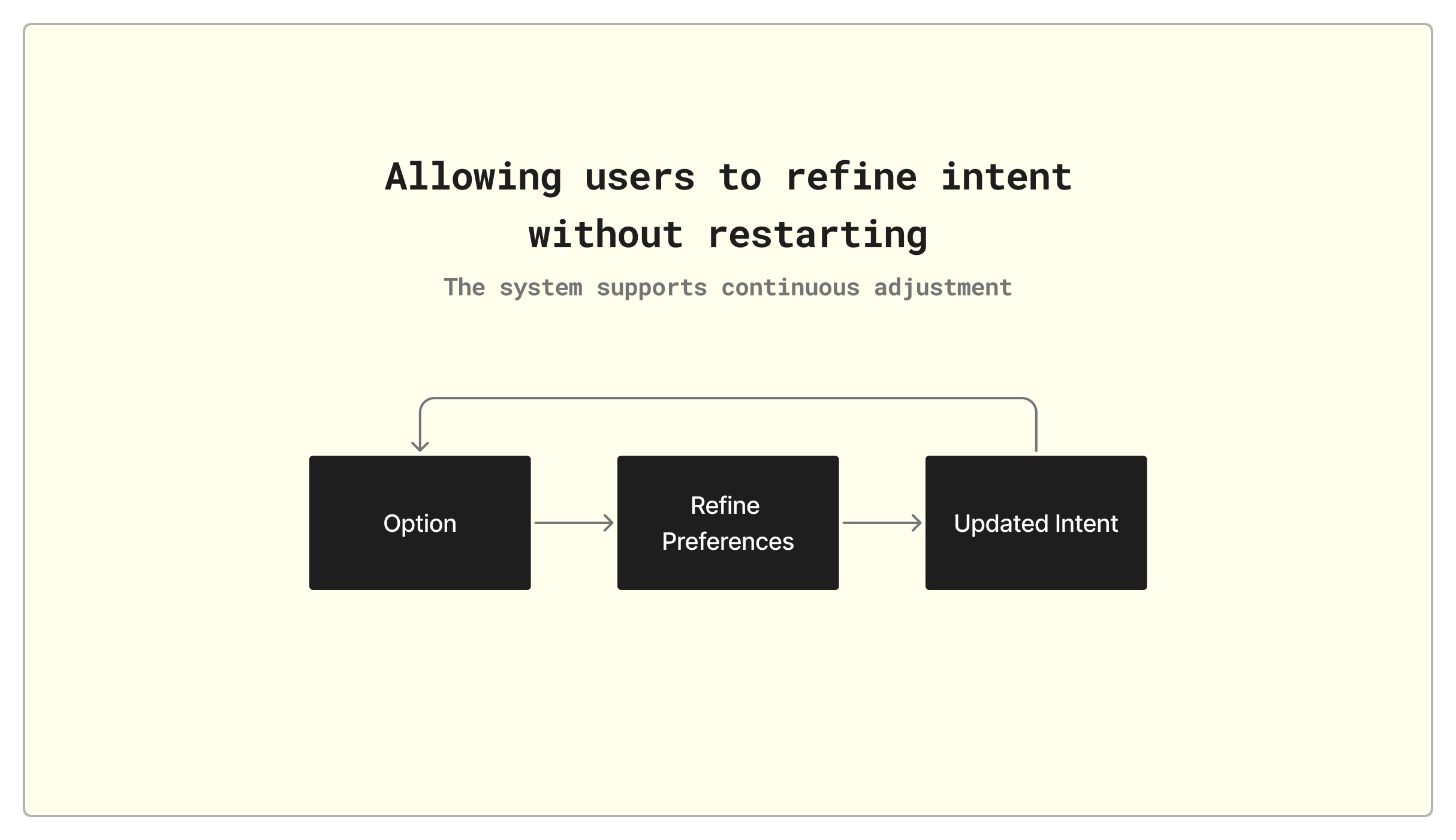
Step 5 — Iteration Loop
Users can refine their preferences at any point.
The system supports iterative behavior.
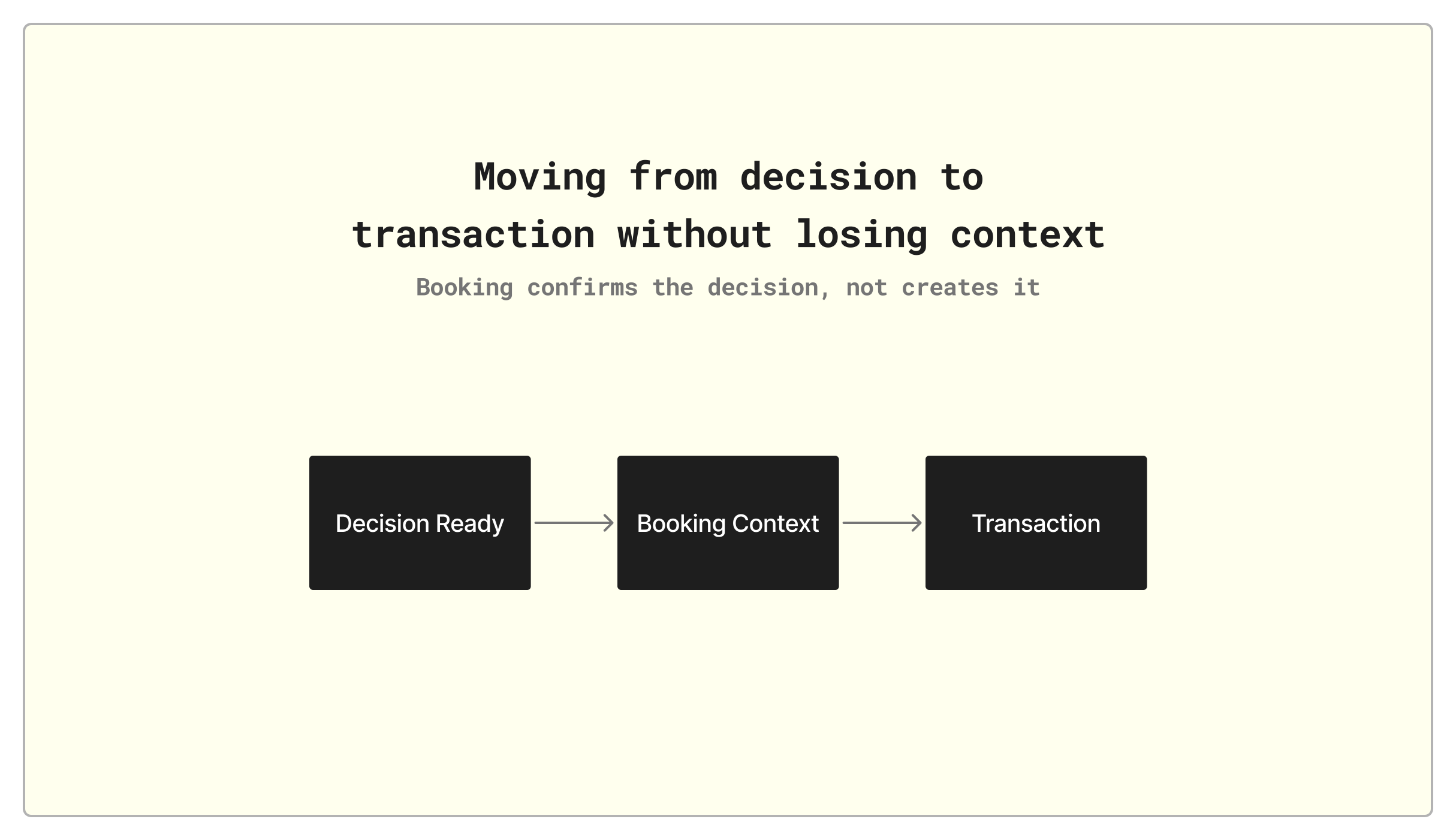
Step 6 — Transition to Booking
Booking happens after a decision is made.
The transition preserves context and confidence.
Design Decisions
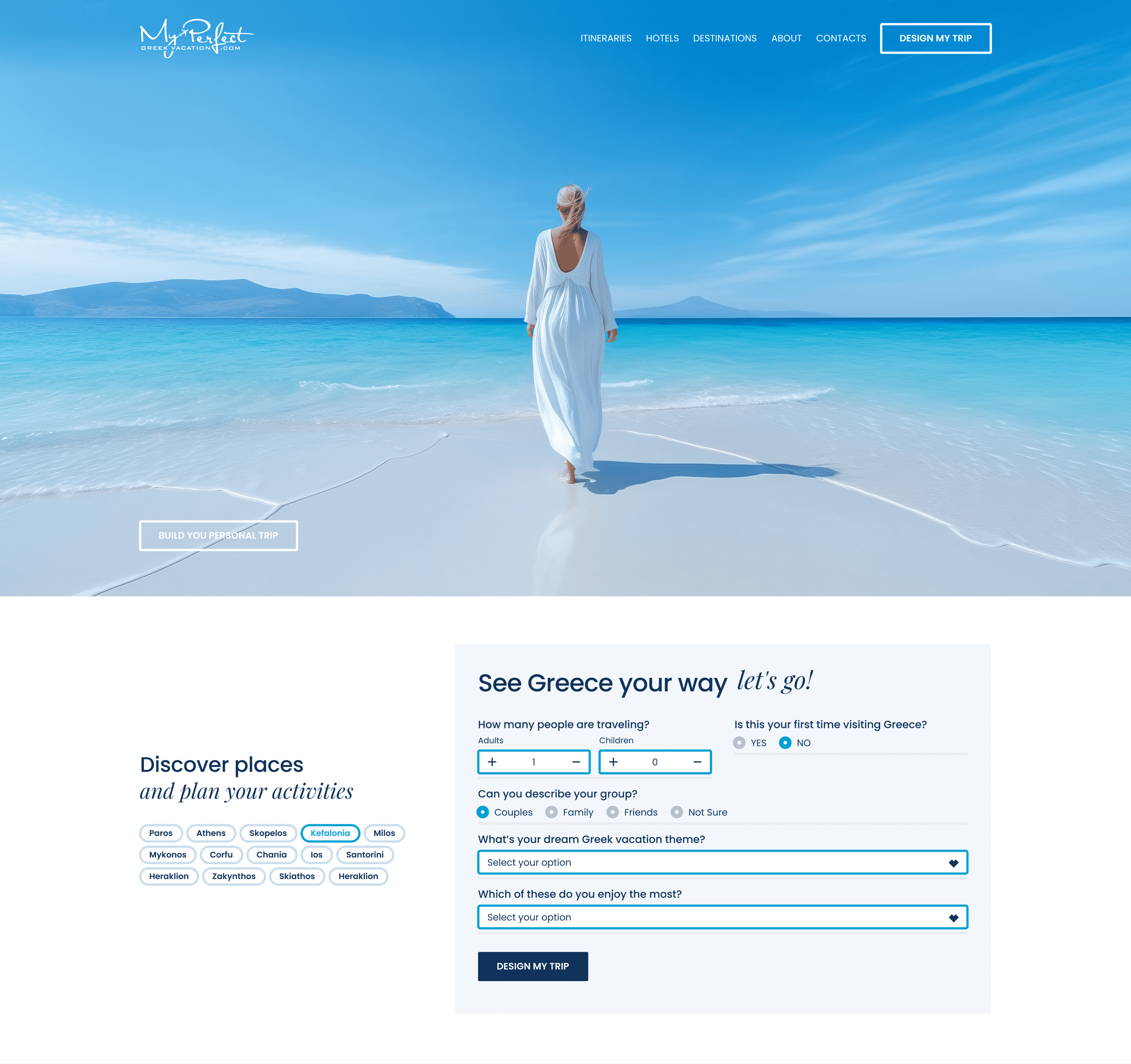
1. Replace search with guided intent capture
Decision
Remove search as the primary entry point and replace it with preference-based input.
Behavioral Impact
Users stop trying to define a precise query too early and instead externalize vague preferences through interaction.
They move from:
- «I need to figure out what to search»
to:
- «I can react to options and shape what I want»
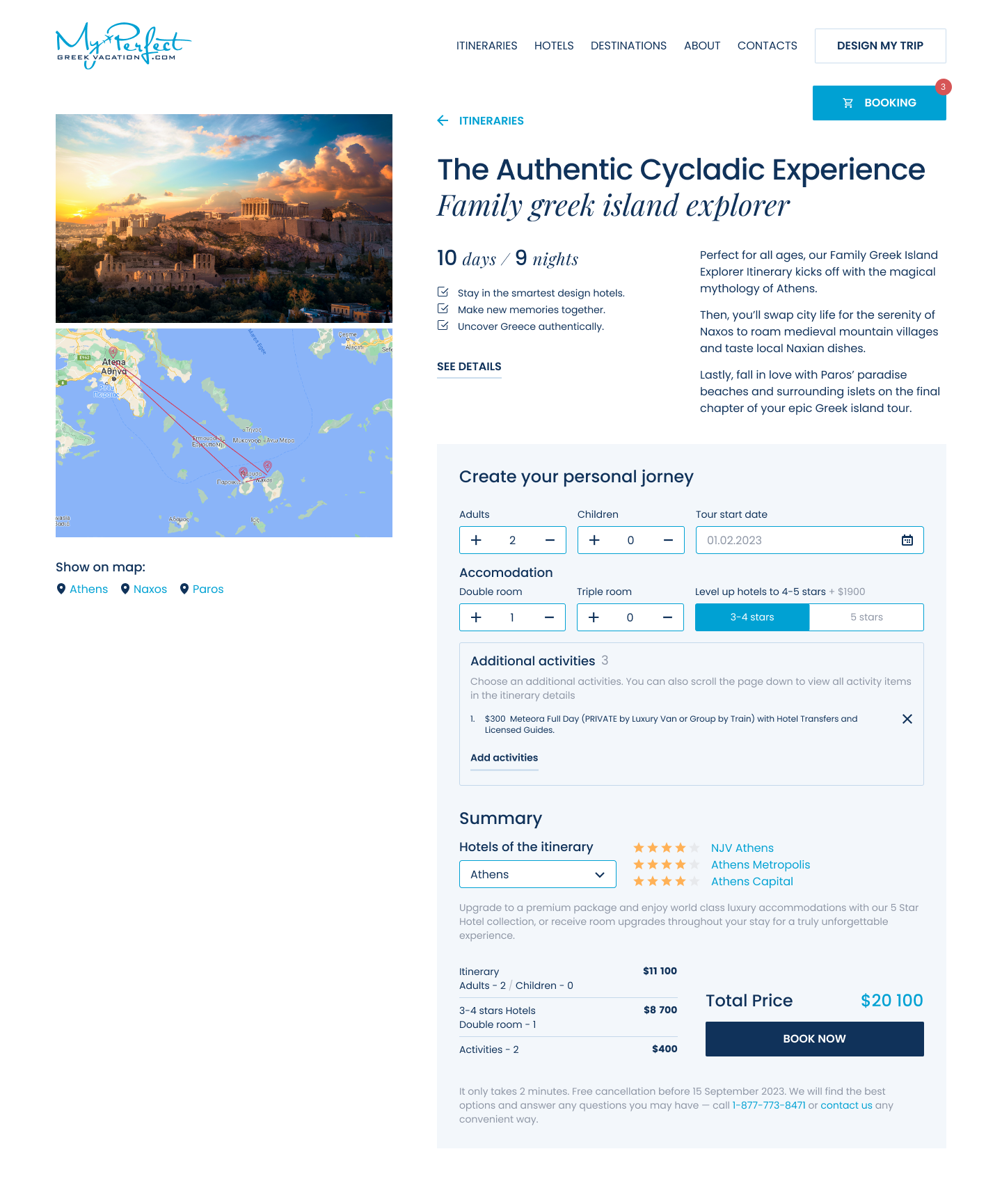
2. Structure user intent before showing options
Decision
Introduce an intermediate step that translates raw preferences into a structured intent profile.
Behavioral Impact
Users stop jumping directly into options without criteria.
Instead, they:
- see their preferences summarized
- understand what matters before evaluating options
This stabilizes decision-making early.
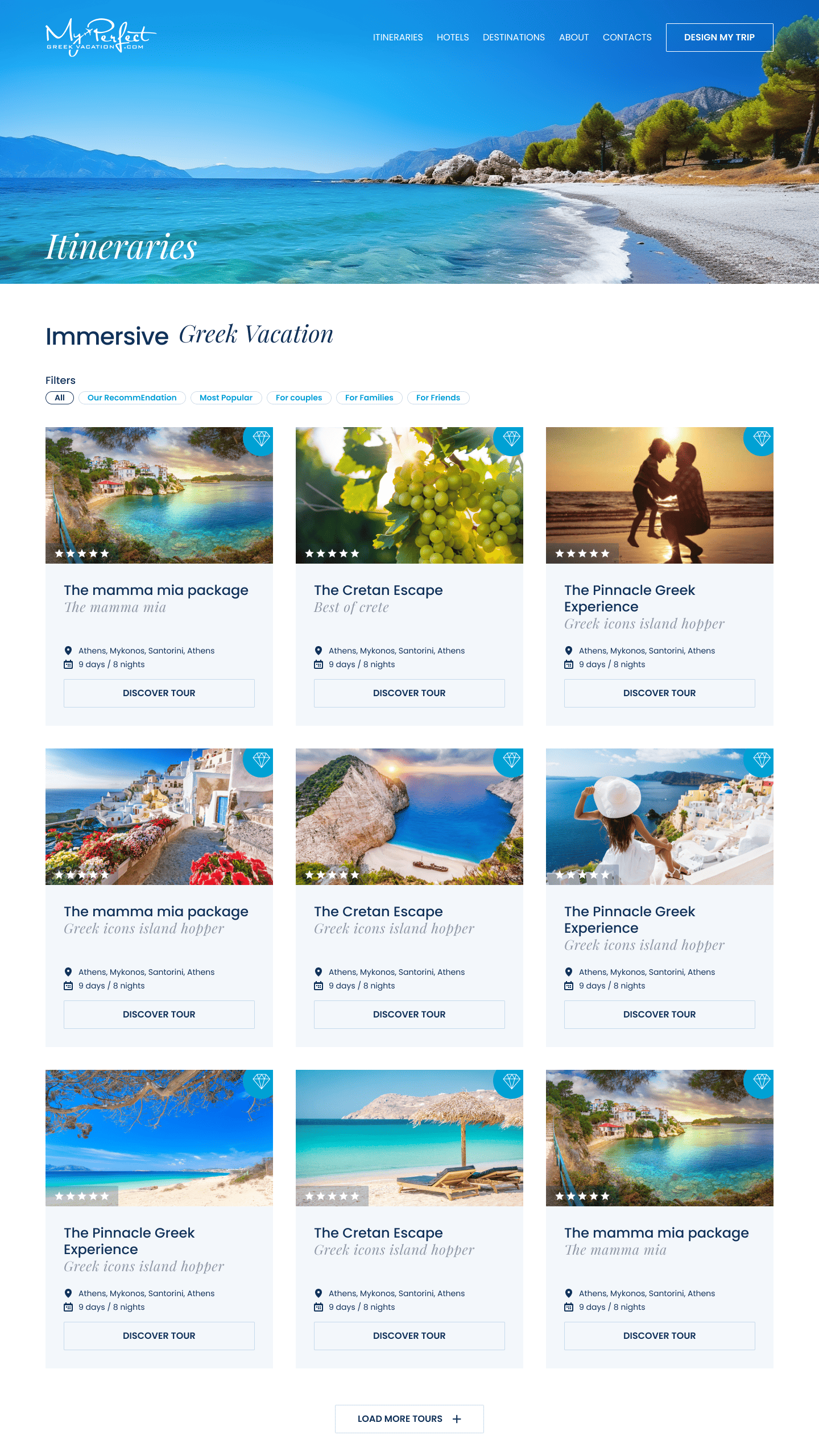
3. Limit options to a curated set
Decision
Show a small number of relevant options (3–7) instead of exposing full inventory.
Behavioral Impact
Users stop browsing dozens of options and instead:
- evaluate a manageable set
- compare options directly within one context
This reduces tab-switching and fragmented comparison.
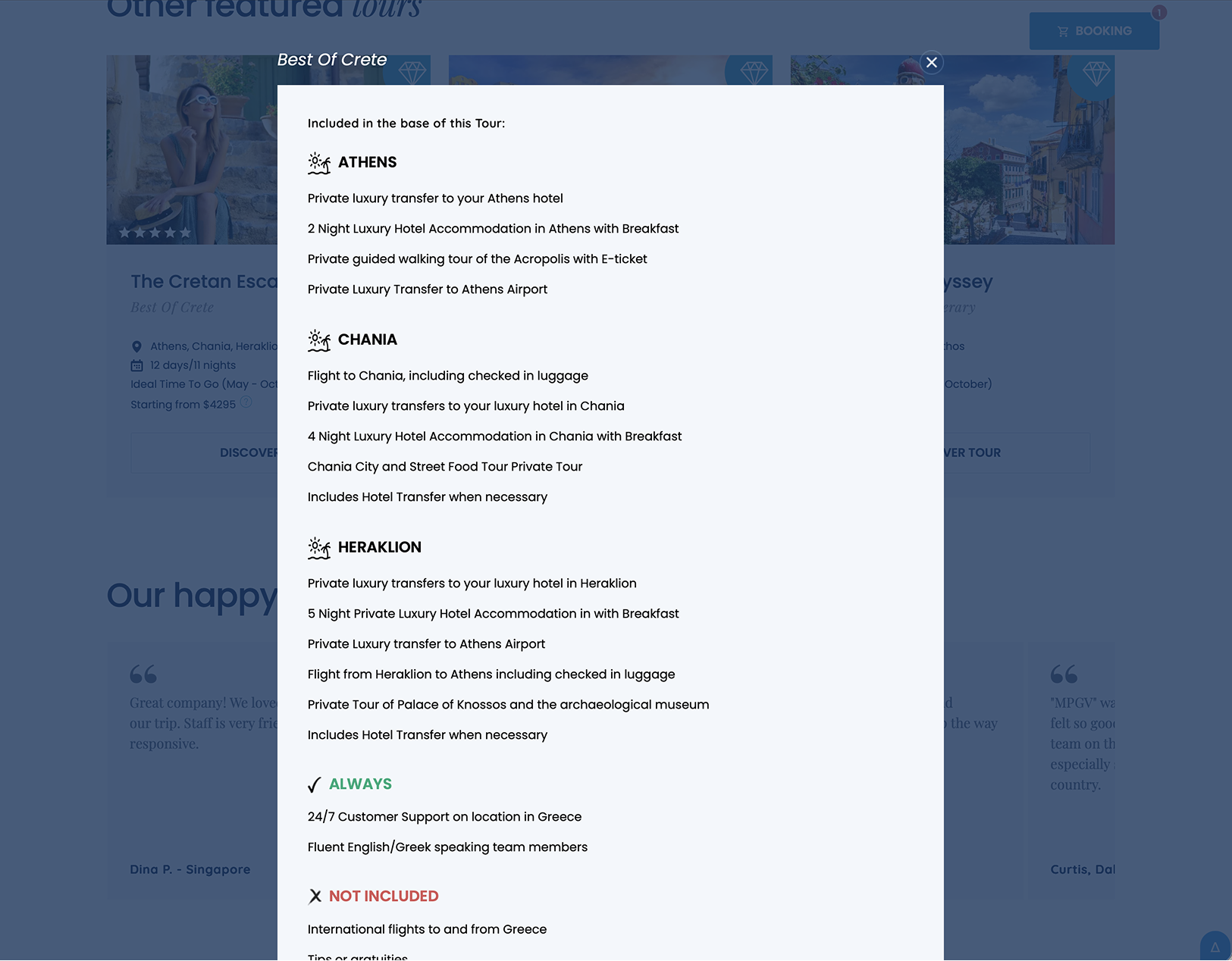
4. Attach reasoning to every option
Decision
Add a «why this fits you» layer to each option.
Behavioral Impact
Users no longer need to reverse-engineer why an option is relevant.
They:
- rely less on external validation
- understand trade-offs directly
- build trust in the system
5. Separate decision from booking
Decision
Design the flow so that decision-making is completed before entering the booking process.
Behavioral Impact
Users stop using booking as part of exploration.
Instead:
- they enter booking with a chosen option
- they confirm rather than continue evaluating
This reduces drop-off at the transaction stage.
How clear transitions and context-driven cues lead users to bookingTrade-offs
- breadth vs clarity
- speed vs confidence
- control vs guidance
- simplicity vs transparency
The system prioritizes decision quality over exploration.
Failure Modes
- incorrect intent modeling
- over-filtering
- weak explanation
- forced onboarding
- broken booking transition
Outcome
This project results in a complete product model for a decision-driven travel booking experience.
While traditional platforms focus on search and inventory exposure, this system defines how a product can operate earlier in the user journey — before intent is fully formed.
The key outcome is a shift in how the interface creates value:
Instead of helping users navigate options, it helps them construct intent.
This is reflected in the system design:
- intent is captured before options are shown
- preferences are structured into stable decision criteria
- options are limited and contextualized
- evaluation is supported through explanation
- booking is triggered only after a decision is reached
As a result, the product no longer relies on browsing as the primary mechanism.
It operates as a decision system — turning vague user desire into a structured, decision-ready state.
While no production metrics were collected, the design defines a clear and testable hypothesis:
Users will reach decisions faster and with less reliance on external exploration when intent formation is embedded into the interface.
This reframes the role of the interface from a browsing tool to a decision system.
While no production metrics were collected, the design defines a clear, testable product hypothesis:
Users will be more likely to reach a decision — and reach it faster — when the platform helps them structure intent before exposing full booking complexity.
Closing Line
This project demonstrates that in complex domains like travel, the primary product challenge is not exposing options — but structuring intent before choice becomes possible.